 Donate
Copied
Meal Planning Guide for Beginners
Stay on Track with your Nutrition Goals While Saving Time and Money
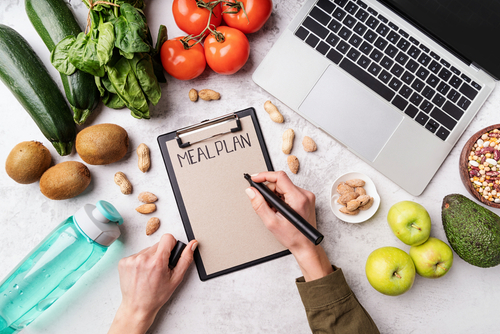
Implementation in Daily Life
Food / Kitchen
Starting a new year often brings a desire to improve daily habits. Meal planning is a powerful way to save time, reduce stress, and eat healthier. It can feel overwhelming to know where to start, especially if you’re new to organizing your meals ahead of time or if you follow a specific way of eating that requires the majority of your food to be homemade.
Careful planning helps you stick to dietary guidelines, avoid less desirable foods, and enjoy balanced, nutritious meals. This guide breaks down practical steps for beginners to build effective meal planning habits that fit any lifestyle.
Why Meal Planning Matters
Meal planning is intentionally deciding up front what you will eat for breakfast, lunch, dinner and snacks throughout the week. However, it offers several benefits beyond just deciding what to eat. Meal planning helps create steps towards a healthier lifestyle in many areas. By deciding your meals in advance, you can:
- Save money by buying only what you need and reducing food waste
- Save time by cutting down daily cooking decisions and grocery trips
- Help avoid last minute decisions that often lead to unhealthy choices or expensive takeout
- Eat healthier and maintain a balanced diet by controlling ingredients and portion sizes
- Reduce impulse eating or accidental consumption of restricted foods
- Reduce daily stress by eliminating the question of “What’s for dinner?”
- Support weight management or specific dietary goals through controlled portions and ingredients
Start Small with Simple Steps
Jumping into a full week of meal planning can feel intimidating. Begin with small, manageable goals. At first, start by planning for 2-3 days at a time. Choose some easy recipes with few ingredients. Use meals you already enjoy to help build your confidence. Once you get comfortable, expand to include an extra day of planning.
Create a Master List of Favorite Meals
Having a go-to list of meals simplifies planning. Write down dishes you like that are easy to prepare. Aim to have at least 5 dishes for each meal that can be easily rotated in your weekly plan. Include:
- Breakfast options like oatmeal, yogurt bowls or scrambled eggs. Find breakfast recipes from our recipe database here
- Lunch ideas such as sandwiches, soups or salads. Find lunch recipes from our recipe database here
- Dinner recipes that can be made in under 30 minutes with minimal ingredients. Find dinner recipes from our recipe database here
This list will become your meal planning toolbox, making it faster to pick meals each week. As you try new recipes, slowly add them to the list and you will soon have a wide variety of go-to meals.
Use a Weekly Meal Planner Template
A simple chart or printable planner helps organize your meals and shopping list. This visual guide keeps you on track and reduces guesswork. Divide it by days and meals (breakfast, lunch, dinner). Fill in your chosen dishes and note any ingredients you need to buy.
You can find free printable planners online or consider one of these options below:
- Meal Planning Notebooks and Planners- Dedicated meal planning notebooks come with templates for weekly menus, grocery lists, and notes. They encourage you to write down your plans, which can improve commitment.
- Whiteboards and Magnetic Boards- Placing a whiteboard or magnetic board in your kitchen allows you to map out meals for the week. It’s easy to update and keeps the whole household informed.
- Printed Templates and Calendars - Printable meal planning sheets or calendars can be customized and reused. They are budget-friendly and can be stored in a binder for reference.
Use Technology to Your Advantage
Digital meal planning apps have made meal planning more accessible than ever. Several apps and websites provide features that simplify the process, from recipe discovery to automated grocery list creation. Some tools offer recipe suggestions based on your preferences. Our recipe database gives you access to more than 1,000 dietitian-vetted recipes. The filter search allows you to easily find recipes suited to your nutritional needs. More advanced apps will offer calendar integration across multiple devices so the whole family can be informed.
Plan Meals Around Nutrient Balance
Therapeutic diets often require balancing specific nutrients carefully. Planning meals with nutrient balance in mind helps you meet your health goals without feeling deprived. Use these strategies to create balanced meals:
- Include a variety of vegetables and fruits that fit your diet.
- Choose whole grains or approved alternatives for fiber and energy.
- Incorporate lean proteins or plant-based options as recommended.
- Monitor portion sizes to control calorie and nutrient intake.
Plan Meals Around Your Schedule
Consider your week ahead when planning meals. If you have a busy evening, choose a quick or make-ahead meal. For days with more time, try new recipes or cook in bulk to have leftovers for another meal. Matching meals to your schedule helps keep planning realistic and enjoyable.
Shop Smart with a Detailed Grocery List
Once your meal plan is ready, create a grocery list organized by food categories such as produce, proteins, grains, and dairy alternatives. If you know the layout of your store, you can organize your list based on the layout to avoid backtracking while shopping. This helps you shop efficiently and avoid buying items that don’t fit your diet. Check your pantry and fridge first to avoid buying duplicates. Stick to your list to stay within budget. A well-prepared list saves time and reduces the temptation to buy non-compliant foods.
Tips for grocery shopping:
- Check labels carefully for hidden ingredients like sodium, gluten, additives / preservatives or added sugars. This Food Label Reading Resource will help you decode nutrition labels to better understand what to look for when reading ingredient lists.
- Consider frozen fruits or vegetables if they are not in season, they are often cheaper.
- Buy in bulk for staples you use often, like rice, beans or nuts.
- Consider specialty stores or online options for hard-to-find therapeutic diet products.
- Online shopping platforms like Instacart or specific store apps allow you to save shopping lists, save or indicate favorite individual items or reorder past orders. This lets you thoroughly review labels and ingredient lists from the comfort of your home. Save time during your next shopping trip by adding items to the ‘frequently purchased items’ list.
Meal Prep in Advance
While meal planning is planning out what meals you will make, meal prepping refers to the up-front work of preparing full meals or portions of a meal ahead of time. If you have two similar recipes for the week that use the same ingredients, you can prep for both ahead of time. For example, if you are making both chicken fajitas and taco salad in the same week, you can prep all your chicken, onions and peppers together so you don’t have to do it twice. Choose your meal prep day to be when you have the most time flexibility and set aside a set amount of time to prep for the upcoming days.
Batch Cooking
Batch cooking can make following a therapeutic diet more manageable, especially on busy days. Prepare larger portions of meals and store them in individual containers for easy reheating. Prepare staples like rice, roasted vegetables, or grilled chicken in bulk. For example, roast a tray of vegetables and chicken on Sunday to use in salads, wraps, or as side dishes throughout the week. Ideas for batch cooking:
- Cook grains like rice or quinoa in bulk
- Roast a variety of vegetables to use throughout the week
- Precut veggies to have on hand for easy quick snacks or to throw on a salad
- Double a recipe while baking and freeze the second one
- Freeze soups or stews in individual containers
Having ready-to-eat meals reduces the risk of reaching for quick, unhealthy options that may not fit your diet.
Keep Your Pantry and Freezer Stocked with Essentials
A well-stocked pantry and freezer make meal planning easier. By having basic supplies on hand, you are better prepared to put together a quick and nutritious meal without having to run to the store. Figure out what ingredients you use the most that will keep and stock up for 1-2 months at a time. Keep basics like:
- Canned beans, tomatoes, olives and broths
- Dry goods such as rice, pasta, grains, flours
- Cooking oils, condiments and spices
- Sweeteners like honey and maple syrup
- Snacks such as dried fruit, seeds and nuts, nut butters, applesauce
- Frozen vegetables, fruit, ground meats
Stay Flexible and Patient
Adapting to dietary changes takes time. You may need to try different foods, recipes and meal planning strategies to find what works best for you. Don’t be discouraged by occasional setbacks. Instead, focus on progress and celebrate small victories.
If you find certain meals boring, experiment with herbs and spices allowed in your diet to add flavor. Seek support from dietitians, support groups, or online communities for motivation and ideas.

.webp)


Support our Mission
Your donation will help us to enhance the well-being and health outcomes of patients with IBD.
Donate